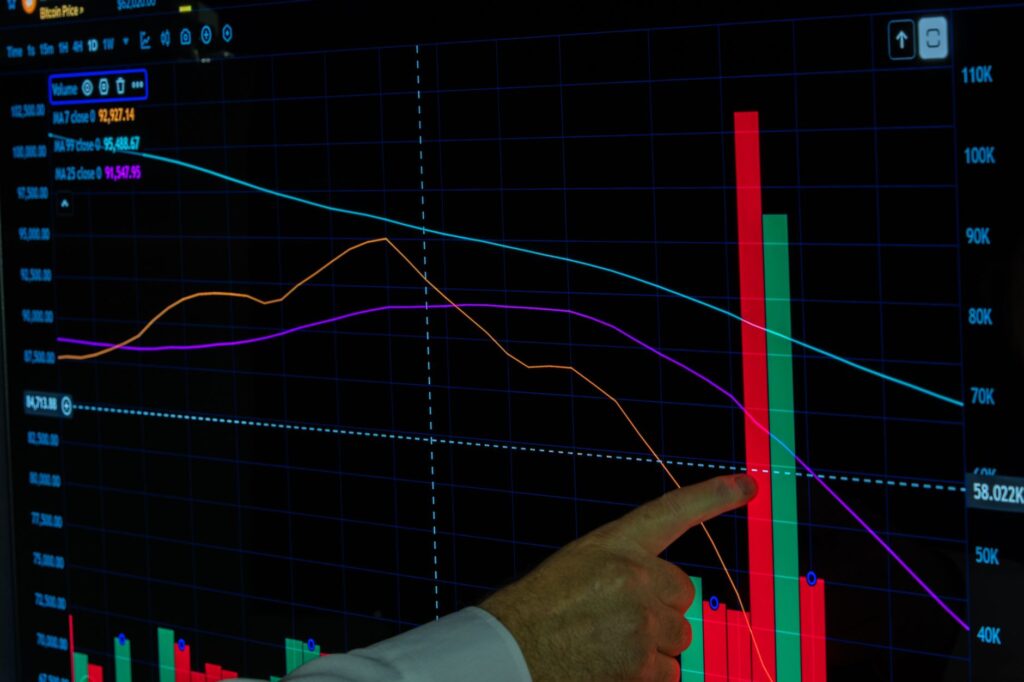

Sensex Nifty trading ended lower today, reversing early gains as market volatility increased. Investors are left wondering about the implications of these changes.
Market Overview: Today’s Performance
In a turbulent session of trading, the Sensex and Nifty indices faced significant declines, marking one of the worst days for investors in recent times. After initially showing promise, both indices reversed their early gains, leading to a disappointing close. This downturn was exacerbated by a notable increase in the India VIX, which rose by 6%, reflecting heightened market volatility and investor anxiety.
Investors had hoped for a positive start during the Muhurat trading session, which traditionally symbolizes prosperity and good fortune. However, as trading progressed, concerns regarding global economic factors and domestic policies began to weigh heavily on sentiment. The Sensex dropped by several points, closing significantly lower, while the Nifty followed suit, failing to sustain its initial upward momentum.
The market’s decline has left many investors apprehensive about their portfolios, with sectors such as banking, IT, and consumer goods particularly impacted. Analysts suggest that this performance could be indicative of broader economic challenges ahead, urging investors to exercise caution in the current environment.
As the trading day concluded, the focus shifted to potential recovery strategies and the need for investors to reassess their positions in light of the recent market fluctuations. The Sensex Nifty trading landscape remains uncertain, prompting calls for careful navigation in the coming weeks.
Impact of India VIX on Trading
The recent trading session witnessed a significant impact on the stock market as the India VIX surged by 6%, highlighting increased volatility and uncertainty among investors. This uptick in the VIX is crucial as it often correlates with the performance of the Sensex and Nifty trading indices.
As the VIX climbs, it indicates that traders are anticipating larger price swings in the near term, which can lead to a cautious approach in market participation. The heightened fear factor, as reflected in the VIX, has been a fundamental reason behind the negative sentiment that enveloped today’s trading session.
The following factors contributed to the adverse impact of the India VIX on trading:
- Market Sentiment: A rising VIX typically signals increased anxiety among investors, leading them to adopt a more risk-averse stance.
- Reduced Buying Interest: With the fear of potential losses looming, many investors opted to sell off their holdings, further exacerbating the market decline.
- Impact on Derivatives: Increased volatility affects options pricing, making it more expensive to hedge against potential losses, thereby affecting trading strategies.
Overall, the spike in the India VIX played a pivotal role during this trading day, making it the worst day for investors amid the ongoing market drop in Sensex and Nifty trading.
Investors React to Market Changes
Investors reacted with disappointment to the recent downturn in the stock market, marking one of the worst days for those involved in Sensex Nifty trading. Following a promising start, both indices reversed direction, leading to widespread concern among market participants.
Many investors took to social media to express their frustrations, with comments reflecting a sense of urgency and disappointment over the sudden market drop. Some key reactions included:
- Heightened Concerns: Investors voiced worries about the potential for further declines, with many questioning the stability of the current market.
- Calls for Caution: A number of analysts urged investors to exercise caution, suggesting that volatility may continue in the coming days.
- Emotional Responses: The drastic change in market sentiment led to emotional reactions from retail investors, who felt particularly vulnerable during this downturn.
Amid the turmoil, some seasoned investors saw opportunities to buy at lower prices, pointing out that market corrections can also present advantageous entry points. However, the prevailing mood remained one of anxiety as market participants assessed the implications of today’s performance on their portfolios.
As the trading day concluded, many were left wondering how long the impact of India’s VIX surge would linger and what it meant for future Sensex Nifty trading.
Understanding Muhurat Trading
The concept of Muhurat trading holds significant importance for investors in India, marking an auspicious time to trade in the stock market. Traditionally held during the festival of Diwali, this event symbolizes new beginnings and is believed to bring good fortune in investments. However, this year’s Muhurat trading session did not align with the optimistic expectations of many investors, particularly concerning the Sensex Nifty trading performance.
During this year’s session, market sentiments were dampened as both the Sensex and Nifty indices reversed early gains, ultimately closing lower. This decline is particularly noteworthy as it occurred during a time often considered favorable for stock trading, highlighting the unpredictable nature of the market. The rise in the India VIX by 6% further compounded concerns among traders, indicating increased volatility and uncertainty.
Many investors had hoped to capitalize on the positive market atmosphere typically associated with Muhurat trading. Instead, the day’s performance left them disheartened, reflecting the challenges faced in the current economic landscape. As the markets continue to fluctuate, understanding the dynamics of Sensex Nifty trading becomes essential for navigating these turbulent conditions and making informed investment decisions.
Ultimately, while Muhurat trading is a time-honored tradition, this year served as a reminder of the inherent risks involved in stock market investments.
Future Outlook for Sensex and Nifty
The recent market downturn has left investors grappling with uncertainty, prompting speculation about the future outlook for Sensex and Nifty trading. Analysts are closely watching key indicators that could signal a recovery or further decline.
As the volatility index, India VIX, showed a significant jump, concerns about market stability have increased. Many investors are now reassessing their strategies and seeking safer options in light of the recent trends. Here are some potential scenarios for the near future:
- Technical Indicators: Analysts are monitoring moving averages and resistance levels closely, as these will dictate the next potential movements for both indices.
- Global Influences: International market trends, particularly in the US and Europe, are likely to impact investor sentiment in India. Any signs of recovery overseas may provide a boost to local trading.
- Economic Data Releases: Upcoming economic reports, including inflation and GDP data, could play a crucial role in shaping market expectations and investor confidence.
- Sector Performance: Certain sectors may outperform others based on current economic conditions, which could create opportunities for selective investments.
In conclusion, while the current market scenario poses challenges, the future remains uncertain. Investors are advised to stay informed and ready to adapt to the evolving landscape of Sensex Nifty trading.
The recent plunge in Sensex Nifty trading has left many investors reeling from unexpected losses. Analysts predict that this worst day for investors amid market drop could signal a longer-term downturn in the stock market.
Photo by Rafael Minguet Delgado on Pexels