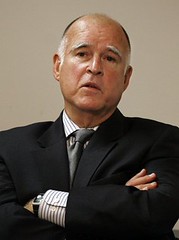

The property tax rule being considered by Andy Burnham could significantly impact homeowners in the region. John Healey’s new proposal suggests a £500,000 threshold that could change the landscape of property taxes.
Understanding the Proposed Property Tax Rule
The proposed property tax rule put forward by John Healey aims to address the ongoing challenges faced by local governments in funding essential services. This initiative, which could potentially raise up to £500,000, seeks to create a fairer taxation system that takes into account the varying property values across regions.
According to Healey, the new property tax rule is designed to ensure that those who own higher-value properties contribute a fair share towards community services. The proposal has garnered attention, especially in light of recent discussions led by Andy Burnham, the Mayor of Greater Manchester, who has expressed support for reforming property taxes in the region.
Key points of the proposed rule include:
- Increased tax rates for luxury properties: Homes valued above a certain threshold will face higher tax rates.
- Support for lower-income households: Measures will be introduced to protect vulnerable families from excessive tax burdens.
- Funding for local services: The revenue generated from the new property tax rule will be allocated to essential services such as education and healthcare.
As discussions continue, stakeholders are evaluating the potential impacts of this proposal on both property owners and local communities.
Impact on Homeowners in Birmingham
The proposed property tax rule introduced by John Healey has sparked significant debate among homeowners in Birmingham. With the potential to impact thousands, the implications of this new regulation are being closely monitored.
Many residents are concerned about how this rule could affect their financial stability. The key points of concern include:
- Increased Costs: Homeowners may face higher property taxes, affecting their monthly budgets and long-term financial planning.
- Property Valuation: The rule could lead to a reassessment of property values, potentially resulting in higher tax liabilities for many families.
- Support for Local Services: Proponents argue that the additional revenue from property taxes could enhance public services, including education and infrastructure.
- Equity Concerns: Critics warn that the new tax could disproportionately affect lower-income households, leading to increased financial strain.
As discussions continue, homeowners are urged to stay informed about the developments surrounding the property tax rule. Engagement with local representatives may provide a platform for residents to voice their concerns and seek clarity on the proposed changes.
Key Details of the £500,000 Threshold
The proposed property tax rule introduced by John Healey has generated significant discussion regarding its implications for homeowners. Central to the proposal is a threshold of £500,000, which aims to redefine how property taxes are assessed across the region.
Here are some key details regarding the £500,000 threshold:
- New Assessment Criteria: Properties valued above £500,000 will be subjected to higher tax rates, potentially increasing the financial burden on some homeowners.
- Exemptions: The proposal includes provisions for exemptions for first-time buyers and low-income households to alleviate the impact of the new tax.
- Implementation Timeline: If approved, the changes are expected to take effect at the beginning of the next financial year, allowing homeowners time to prepare for the new regulations.
- Revenue Allocation: Funds generated from the increased property taxes are intended for local infrastructure improvements and public services, addressing the needs of growing communities.
- Public Consultation: Local authorities are planning to hold consultations with residents to gather feedback and address concerns regarding the implementation of the property tax rule.
As discussions continue, many are eager to see how this proposal will ultimately shape the housing landscape in Birmingham.
Expert Opinions on the Tax Proposal
Experts are divided on the implications of the proposed property tax rule introduced by John Healey. While some believe it could generate much-needed revenue for public services, others raise concerns about its fairness and potential impact on the housing market.
Dr. Sarah Thompson, an economist at the University of Birmingham, argues that the new rule could help address funding gaps in local services. “A property tax based on the value of homes can ensure that those with more valuable properties contribute fairly to the community,” she stated. “However, it is essential to implement safeguards to protect lower-income homeowners.”
Conversely, Mark Jenkins, a housing policy expert, warns of unintended consequences. “This tax could discourage investment in property and lead to a decline in home values. Homeowners may feel pressured to sell, which could destabilize the market,” he explained.
Additionally, some community leaders are concerned about the timing of the proposal. “In the current economic climate, adding a new tax burden could be detrimental to many families,” noted Linda Parker, a local council member. “We need to ensure that any changes are both equitable and sustainable for our residents.”
Next Steps for Implementation
As discussions surrounding the property tax rule continue, several key steps have been identified for its potential implementation. John Healey’s proposal, which introduces a £500,000 threshold, will undergo rigorous assessment by local government officials and stakeholders.
First, a comprehensive review of the current property tax landscape will be conducted. This will include:
- Analyzing the financial implications for both the city and residents.
- Gathering feedback from homeowners to gauge public sentiment.
- Consulting with tax experts to ensure the rule is equitable and sustainable.
Following the review, a series of public consultations will be organized, allowing residents to voice their opinions and concerns. These sessions aim to foster transparency and encourage community engagement in the decision-making process.
Additionally, if the proposal gains sufficient support, a timeline for implementation will be established. This timeline will detail the necessary legislative steps, including potential amendments to existing tax laws. As stakeholders await further updates, the broader implications of the property tax rule remain a topic of keen interest and debate within Birmingham.
Photo by Jakub Zerdzicki on Pexels