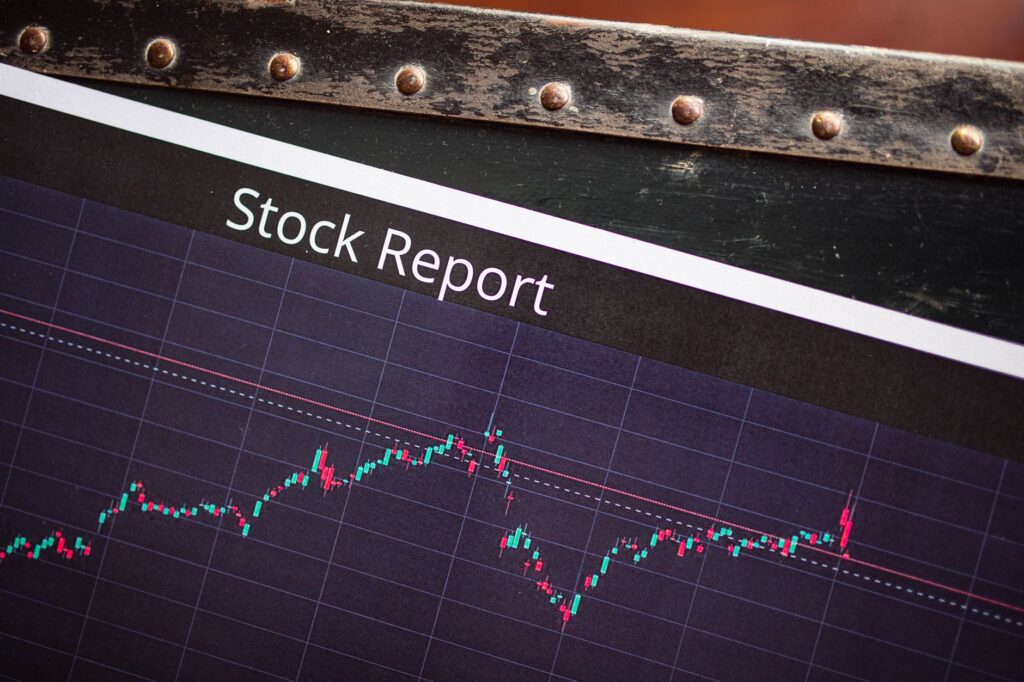

Indian rupee performance has taken a hit as it breaks its six-day winning streak, primarily influenced by state banks’ aggressive dollar bids. Market analysts are closely monitoring the currency’s fluctuations.
Overview of the Indian Rupee’s Recent Performance
The Indian rupee experienced a significant downturn, marking its worst day in recent trading sessions after a notable six-day winning streak. This abrupt change in performance can be attributed to increased dollar bids from state-run banks, which put pressure on the local currency.
Throughout the previous week, the Indian rupee had strengthened against the US dollar, bolstered by positive market sentiments and inflows from foreign investors. However, the sudden demand for dollars created volatility, leading to a decline in the rupee’s value.
Market analysts have observed several factors contributing to this shift:
- Global Economic Trends: Fluctuations in global markets have impacted currency performance across the board.
- Local Demand for Dollars: Increased demand from importers and banks has pressured the rupee.
- Central Bank Interventions: The Reserve Bank of India may need to step in to stabilize the currency.
As the situation evolves, stakeholders are closely monitoring the Indian rupee’s performance for further insights into market trends.
Factors Influencing Currency Fluctuations
The recent performance of the Indian rupee has been significantly influenced by various factors that affect currency fluctuations. Analysts have identified several key elements contributing to the rupee’s latest downturn.
- State Bank Intervention: The involvement of state banks in bidding for dollars has put upward pressure on the currency, leading to a decline in the rupee’s value.
- Global Economic Trends: Fluctuations in international markets, particularly shifts in oil prices and trade dynamics, continue to impact the rupee’s performance.
- Monetary Policy Changes: Decisions by the Reserve Bank of India regarding interest rates and liquidity measures can significantly sway investor sentiment, thereby affecting the rupee.
- Foreign Investment: Changes in foreign direct investment flows can create volatility in the currency market, further influencing the Indian rupee’s performance.
As traders and investors analyze these elements, the Indian rupee’s resilience will be tested in the coming days, especially after its worst day that ended a six-day winning streak.
State Banks’ Role in Dollar Bids
State-run banks played a significant role in the Indian rupee’s performance today, contributing to a sharp decline that ended a six-day winning streak. Analysts have noted that these banks frequently intervene in the foreign exchange market to control volatility and manage the currency’s value against the US dollar.
During trading hours, these banks were observed aggressively bidding for dollars, which put pressure on the rupee. This move is often seen as a protective strategy to ensure adequate supply of dollars and curb excessive appreciation of the currency, which can hurt exporters.
Market participants reacted swiftly to the state banks’ actions, leading to increased speculation about the future trajectory of the Indian rupee. Some experts believe that consistent interventions may signal a more calculated approach from the Reserve Bank of India (RBI) to stabilize the currency amidst fluctuating global economic conditions.
As the market digests these developments, investors are keenly watching for any further signals from the RBI regarding its stance on foreign exchange interventions and the broader implications for the Indian rupee’s performance.
Market Reactions to Currency Changes
The Indian rupee experienced a sharp decline, marking its worst day in recent weeks, which has raised concerns among investors. This downturn ended a six-day winning streak, and market reactions were swift and pronounced.
Traders noted that the state banks’ aggressive dollar bids played a significant role in the rupee’s performance. As the currency weakened, many market players adjusted their positions, leading to heightened volatility. Analysts observed that the overall sentiment shifted, with some investors adopting a more cautious approach amid fears of further depreciation.
Several factors contributed to the market’s response:
- Increased demand for the US dollar: The dollar’s strength against other currencies prompted local investors to seek safety.
- Global market trends: Fluctuating oil prices and geopolitical tensions added to the uncertainty surrounding the Indian rupee.
- Interest rate expectations: Speculations regarding future monetary policy shifts intensified the market’s reaction.
Overall, the Indian rupee’s performance on this day has left many wondering about its future trajectory amidst ongoing economic challenges.
Impact on Indian Economy
The recent performance of the Indian rupee has raised concerns among economists regarding its impact on the broader Indian economy. Following a six-day winning streak, the currency experienced its worst day as state banks aggressively bid for dollars, leading to increased volatility.
Analysts suggest that this sudden shift may have several implications:
- Inflationary Pressures: A weaker rupee can lead to higher import costs, particularly for crude oil and essential commodities, which could exacerbate inflation.
- Foreign Investment: Fluctuations in currency performance may deter foreign investors who seek stability and predictability in their investments.
- Trade Balance: An unstable rupee can affect the trade balance, making exports more competitive while increasing the cost of imports.
Furthermore, the overall sentiment in the market is crucial; if investors perceive the currency as unstable, it could lead to reduced confidence in the Indian financial markets. Thus, the Indian rupee’s performance is not only a reflection of current market conditions but also a critical factor influencing the country’s economic trajectory.
Future Predictions for the Rupee
As analysts assess the Indian rupee performance following its recent decline, several predictions are emerging regarding its future trajectory. Market experts suggest that the rupee may continue to face volatility in the coming weeks, driven by both domestic and global factors.
Key predictions include:
- Potential Recovery: Some analysts believe there is a chance for the rupee to regain strength if economic indicators show improvement, particularly in trade balances and foreign investments.
- Global Influences: The ongoing shifts in global markets, especially fluctuations in the US dollar, are likely to impact the rupee’s performance. A strong dollar may exert downward pressure on the Indian currency.
- Policy Adjustments: Changes in government policies or interventions by the Reserve Bank of India could play a crucial role in stabilizing the rupee. Investors are closely monitoring any signals from policymakers.
- Investor Sentiment: Market sentiment will remain critical, as any geopolitical tensions or economic uncertainties could lead to increased volatility.
In conclusion, while projections remain uncertain, the Indian rupee’s future performance will depend on a mix of internal and external factors.
Comparative Analysis with Other Currencies
The recent performance of the Indian rupee has drawn attention not only domestically but also in comparison with other major currencies. On the day the rupee broke its six-day winning streak, fluctuations were evident across various global currencies.
In relation to the US dollar, the Indian rupee showed a significant dip, as state banks’ aggressive dollar bids influenced market dynamics. This resulted in the rupee falling against the dollar, contrasting its previous strength.
When compared to the Euro, the rupee maintained a relatively stable position, reflecting minor fluctuations. However, against the British Pound, the rupee experienced a notable decline, indicating varying performance based on currency pairs.
Investors and analysts are particularly interested in the Indian rupee performance against emerging market currencies, where it still holds a competitive edge. As global economic conditions continue to evolve, the comparative analysis highlights the importance of monitoring these currency interactions closely.
Understanding these dynamics is crucial for anticipating future trends in the Indian rupee’s performance.
Expert Opinions on Currency Trends
Experts have weighed in on the recent performance of the Indian rupee, particularly following its worst day that ended a six-day winning streak. Analysts suggest that the intervention by state banks in dollar bids significantly impacted the rupee’s strength. Dr. Anjali Sharma, a currency analyst, noted, “The Indian rupee’s performance is closely tied to global economic conditions and domestic factors like inflation and interest rates.”
Furthermore, Mr. Ravi Mehta, a senior economist, emphasized the importance of monitoring the Reserve Bank of India’s policies, stating, “Any changes in the monetary policy could lead to further fluctuations in the rupee’s value.”
Market sentiment is another key element, with Ms. Priya Singh, a financial strategist, explaining, “Investor confidence plays a crucial role in currency trends; a stable political environment can bolster the rupee’s performance.”
Overall, experts agree that while the Indian rupee faced challenges recently, underlying economic fundamentals may support a rebound in the future.
The recent decline in Indian rupee performance has raised concerns among investors. Analysts are closely monitoring the factors contributing to this sudden shift in Indian rupee performance.
Photo by Ravi Roshan on Pexels
References
Related stories
Stocks To Watch: Best Proven Picks for Today · Sensex Nifty Trading: Worst Day for Investors Amid Market Drop · Honest Company earnings show clear growth in revenue