
The Science Behind Laser Metal Cutting: How It Works
Unraveling the Physics: The Technology of Laser Cutting
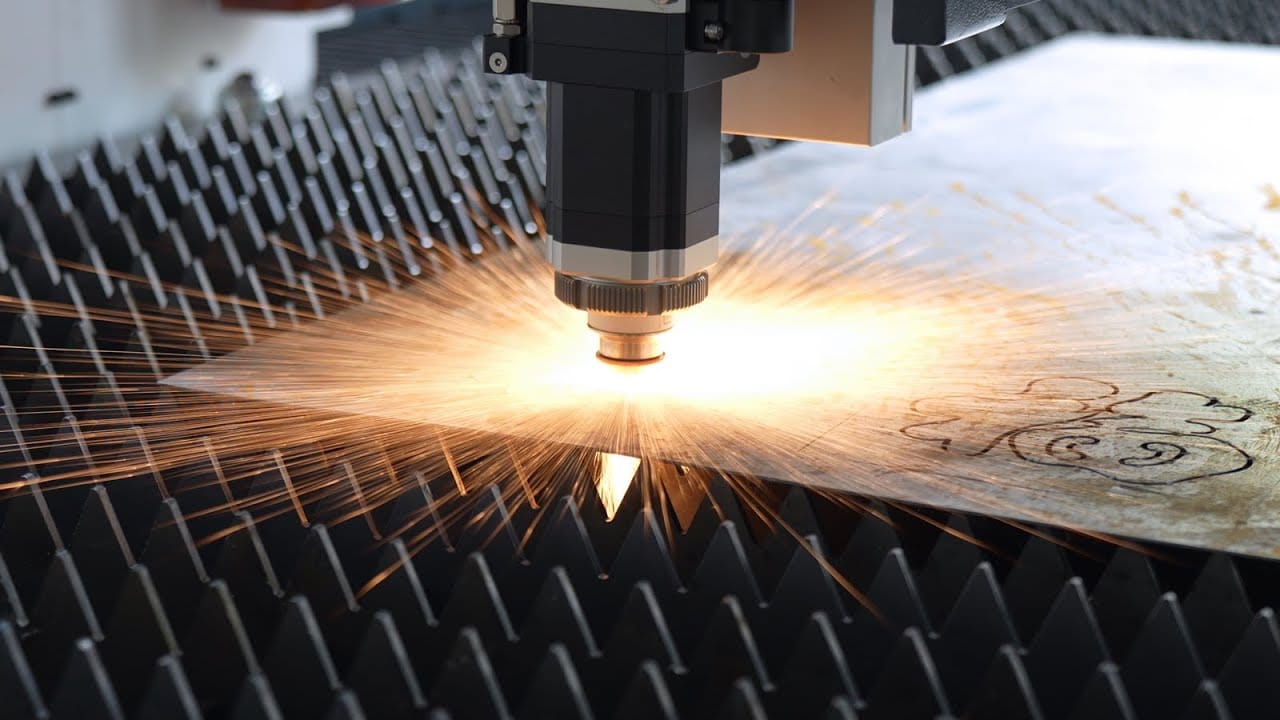
Laser metal cutting is an intricate and precision-driven technology that fundamentally alters how materials are shaped and fabricated. At its core, laser cutting utilizes focused beams of light produced by laser machines to melt, burn, or vaporize metals with remarkable accuracy. The process begins with the generation of a laser beam through the excitation of gas molecules or solid-state materials, which produces an intense, coherent light beam that can be directed towards a workpiece. When this concentrated beam strikes the metal surface, it creates extreme temperatures that allow the metal to be cut with high precision. The phenomenon is related to the principles of thermodynamics and optics, where energy absorption varies with the type of metal and the laser’s wavelength, leading to optimized cutting speeds and quality.
Precision Meets Power: Understanding Laser Types and Their Applications
Various laser types are employed in metal cutting, each one suited for different applications based on their unique characteristics. The most common types include CO2 lasers, fiber lasers, and Nd:YAG lasers. CO2 lasers operate at a wavelength of 10.6 micrometers and are particularly effective for cutting thicker materials, making them popular in industries like automotive and aerospace. Fiber lasers, on the other hand, are celebrated for their efficiency and versatility, particularly with thin sheets of metal. Their shorter wavelengths of around 1.06 micrometers allow for deeper penetration and finer cuts. Nd:YAG lasers, while not as commonly used for cutting as the previous two, find their niche in applications requiring high precision, such as medical instrument fabrication. Understanding these laser types equips manufacturers with the knowledge to select the most efficient technology for their specific cutting needs, enhancing performance outcomes.
The Benefits of Laser Cutting: Why Choose This Method Over Others?
Choosing laser cutting for metal fabrication comes with a slew of advantages that vastly outperform traditional cutting methods. First and foremost, the precision of laser cutting is unmatched; it can achieve tolerances within ±0.005 inches, making it ideal for intricate designs and high-detail components. Additionally, the clean cuts produced by lasers minimize the need for post-processing, reducing overall production time and costs. The non-contact nature of the laser cutting process means it exerts minimal thermal stress on materials, which prevents warping and ensures high-quality finishes. Furthermore, laser cutting contributes to waste reduction, as the narrow kerf (the width of material removed during cutting) results in higher yield rates from raw materials. These benefits solidify laser cutting’s position as a preferred manufacturing technique across various industries, seeking efficiency, quality, and speed in production.
Applications of Laser Metal Cutting: Industries That Benefit
From Automotive to Aerospace: Cutting-Edge Uses of Laser Technology
The applications of laser metal cutting span across diverse industries, dramatically reshaping production processes in automotive, aerospace, and beyond. In the automotive sector, laser cutting is pivotal in fabricating complex components such as exhaust systems, chassis parts, and decorative elements with precision and speed. Car manufacturers leverage laser technology to produce lightweight structures, contributing to fuel efficiency without compromising safety. In aerospace, laser cutting meets stringent safety standards while crafting intricate surface geometries necessary for aircraft components any imperfections in these parts can lead to catastrophic failures. Laser cutting’s ability to handle various metals, from aluminum alloys to titanium, enhances its applicability in high-performance environments where strength and lightweight materials are critical. The convergence of these industries with laser cutting offers a glimpse into a future where innovation and safety meet seamless manufacturing capabilities.
Creating Art: The Role of Laser Cutting in Design and Fabrication
Beyond industrial applications, laser cutting has emerged as a transformative tool in the world of art and design. Artists and designers utilize laser cutting to expand their creative horizons, allowing for intricate patterns, delicate designs, and precise details that would be unattainable by hand. From creating stunning wall art to manufacturing bespoke jewelry, laser technology melds creativity with technology. Custom designs are easily replicated and modified, enabling artists to explore unique forms and concepts with remarkable efficiency. The accessibility of laser cutting machines to small businesses has democratized the art world, allowing for personalized creations and collaborations. This intersection of technology and artistry not only enhances the aesthetic value of pieces but also provides economic opportunities for artisans and designers, ultimately stimulating local economies.
Manufacturing Revolution: How Industries Are Transforming with Laser Cutting
The manufacturing landscape is undergoing a significant transformation thanks to the introduction of laser cutting technology. Industries are embracing this modern cutting method to streamline production processes, enhance product designs, and improve operational efficiencies. The customizable nature of laser cutting enables manufacturers to cater to niche markets by producing small-batch and highly specialized components while maintaining quality standards. Moreover, integrating laser systems with computer numerical control (CNC) technology allows for automation and precision that minimizes human error in production. As a result, companies experience increased productivity levels and significant cost savings over time. This manufacturing revolution illustrates how laser cutting is not merely a tool but a catalyst for change, pushing industries to achieve higher levels of innovation and productivity without sacrificing quality.
Choosing the Right Laser Metal Cutting Service: Key Considerations
Evaluating Precision: How to Measure the Quality of Laser Cutting Services
When selecting a laser metal cutting service, evaluating precision is paramount. Precision in laser cutting is measured in tolerances the closer to zero the tolerance, the more precise the cut. Prospective clients should seek manufacturers with a robust quality assurance system in place that employs advanced measurement techniques, such as laser scanning and coordinate measuring machines (CMM). Additionally, reviewing past projects and clients’ testimonials can provide insight into the service provider’s quality standards. Checking for industry certifications such as ISO 9001 can serve as an added layer of assurance regarding the provider’s commitment to maintain quality standards. A laser cutting service’s ability to uphold precision comes not just from their machines, but also from the expertise and training of the operators handling these complex tools, underscoring the importance of human proficiency in conjunction with technology.
Cost vs. Quality: Finding the Perfect Balance in Your Selection
One of the most challenging decisions in selecting a laser cutting service is balancing cost with quality. While budget considerations are essential, opting for the cheapest service often leads to compromised quality, which can result in defects, rework, and ultimately higher costs. Therefore, businesses should conduct thorough research to identify potential service providers that offer competitive pricing structures without cutting corners on quality. Requesting quotes and comparing them while looking for indications of added value, such as faster turnaround times, superior customer service, or advanced technology, creates a clearer picture of overall service quality. Additionally, exploring package deals and long-term contracts can lead to cost savings. Ultimately, navigating this cost-quality dichotomy involves strategic foresight choosing a laser cutting partner that aligns with short-term budgets while remaining committed to achieving long-term quality goals.
Customer Service Matters: How Support Affects Your Project’s Success
Exceptional customer service plays a critical role in the success of any project involving laser metal cutting. A good service provider not only offers technical capabilities but also fosters strong communication and collaboration throughout the project lifecycle. Engaging with a service team that is responsive, knowledgeable, and willing to provide guidance ensures that project requirements are fully understood and met. Open lines of communication help to address any issues that may arise during the cutting process, ensuring that projects remain on schedule and within budget. An accessible and supportive customer service team also enhances transparency in terms of material sourcing, production timelines, and delivery schedules, which collectively contribute to a seamless project experience. In summary, selecting a laser cutting service with robust customer support ultimately leads to more successful outcomes and long-term partnerships.
The Future of Laser Metal Cutting: Innovations on the Horizon
Advancements in Technology: What’s Next for Laser Cutting?
The future of laser metal cutting is poised for exciting advancements, fueled by ongoing research and technological innovations. Emerging trends such as high-power fiber lasers are revolutionizing the field, offering faster cutting speeds and improved energy efficiencies. Additionally, hybrid laser systems including combining laser cutting with waterjet technologies are being developed, allowing processors to enhance capabilities across a broader range of materials and thicknesses. Integration of advanced software solutions is another crucial aspect where artificial intelligence and machine learning could play significant roles in optimizing cutting patterns and predictive maintenance schedules. As these technologies evolve, they will result in more streamlined and efficient manufacturing processes that can scale rapidly to meet changing market demands.
Sustainability Trends: How Eco-Friendly Practices Are Shaping the Industry
Sustainability is becoming an increasingly critical concern in the metalworking industry, and laser cutting services are no exception. With growing environmental consciousness, businesses prioritize eco-friendly practices that reduce waste and energy consumption. Laser cutting techniques inherently offer significant environmental benefits, such as lower energy requirements compared to traditional cutting methods and minimal material waste due to precise cutting capabilities. Additionally, companies are adopting sustainable practices by sourcing recycled materials and implementing closed-loop systems that recycle scrap metal, further reducing their ecological footprints. As regulatory standards become stricter and consumer preferences shift towards sustainable products, laser metal cutting businesses embracing green practices will position themselves as leaders in the evolving manufacturing landscape.
The Rise of Automation: How AI is Changing Laser Metal Cutting Services
Automation is rapidly reshaping laser metal cutting services, driven by the introduction of smart technologies such as artificial intelligence (AI) and the Internet of Things (IoT). AI algorithms can analyze vast amounts of data generated during the cutting process, allowing for real-time decision-making and optimization of cutting conditions for different materials and thicknesses. This shift towards automation enhances production efficiency by minimizing human error, reducing downtime, and boosting overall productivity while maintaining high levels of precision. Furthermore, IoT-enabled machinery can provide valuable insights into operational performance, monitoring system health, and predictive maintenance requirements. The future of laser metal cutting, thus, hinges on the integration of these innovations positioning businesses not only as manufacturers but as data-driven entities that respond rapidly to market fluctuations and consumer demands.